Sail and Hip Geometry
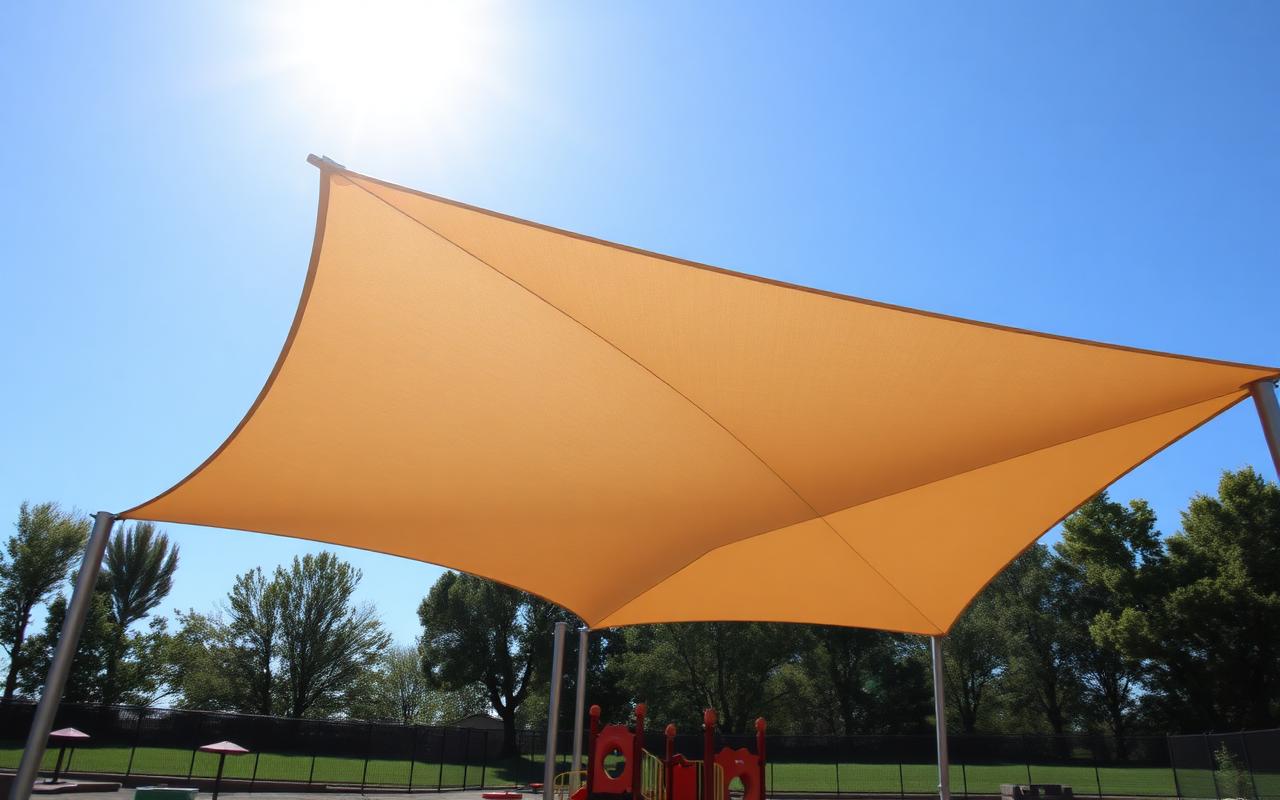
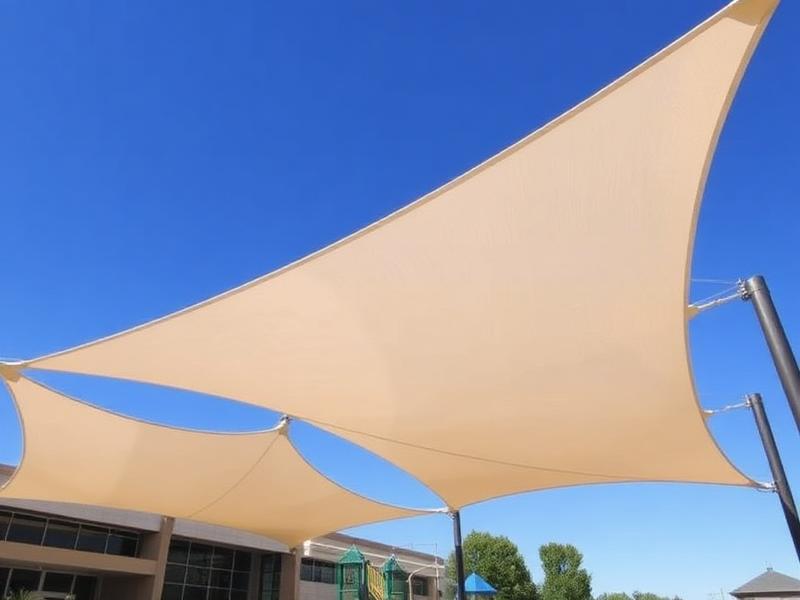
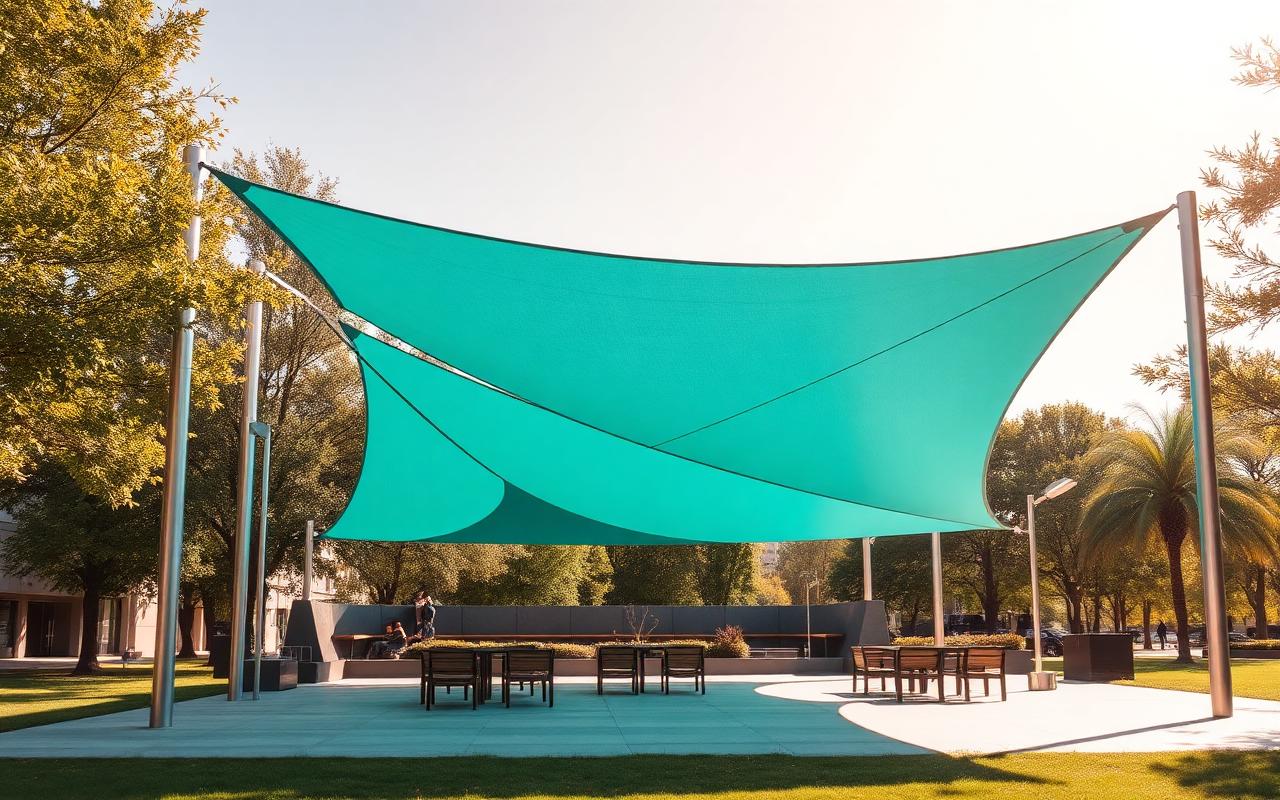
Superior Shade builds its structures around engineered fabric geometries, most commonly hip-ridge canopies over four, six, or eight posts, along with single and dual-cone sails for smaller playground pours. Each shape is drafted to keep the membrane in constant tension so it sheds water and wind rather than pooling or luffing.
The company's catalog documents standardized post spacing and beam configurations across its hip and cantilever product lines, engineered by licensed structural engineers and stamped for the governing local code. Fabric panels are patterned and cut to a compound curve, not a flat rectangle, which is what keeps a properly tensioned sail tight through temperature swings.
For a Maine or New Hampshire buyer, geometry decisions aren't just aesthetic. A tighter hip pitch sheds heavy wet snow better than a low-pitch flat sail, and a design with a stamped engineering package lets your local building official sign off without back-and-forth, which matters on tight school or municipal construction schedules.