(207) 285-5738

Site Amenities & Shade

Modern Shade

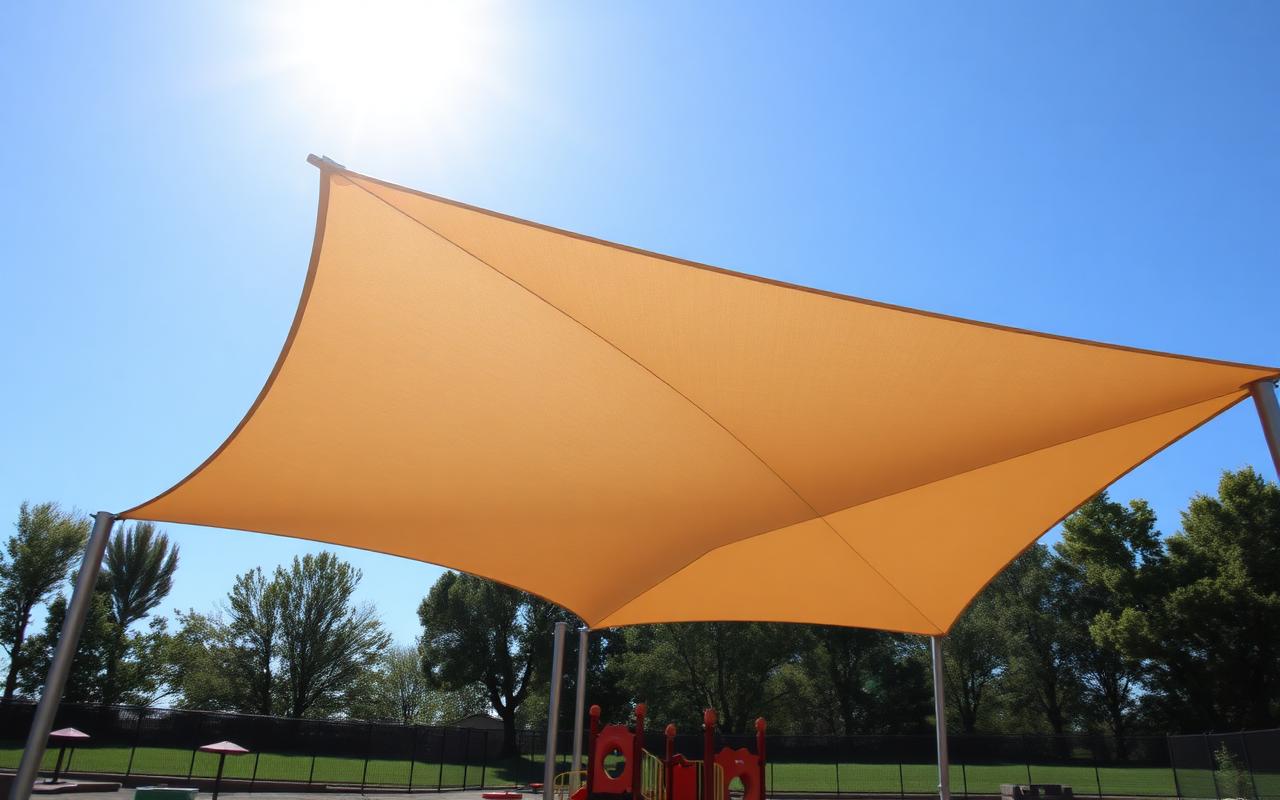
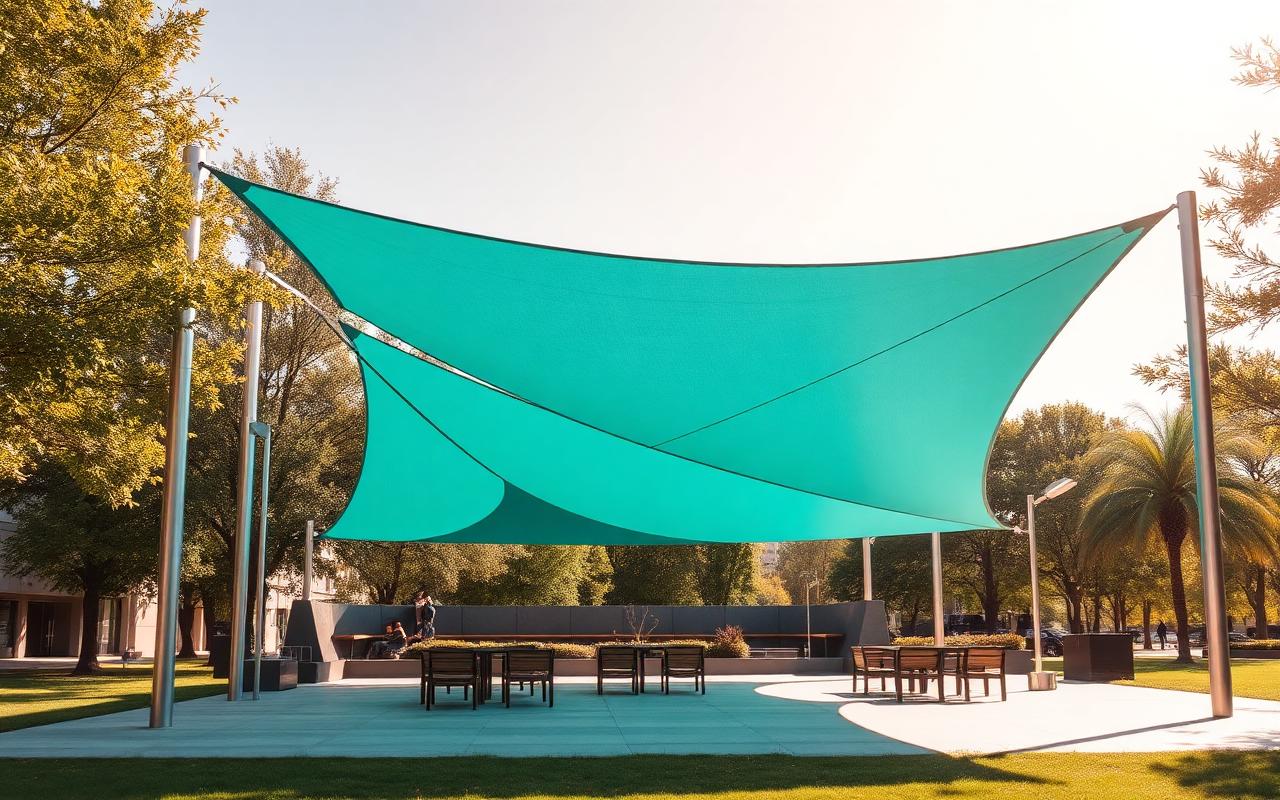
Architectural sail shade

Modern Shade brings a cleaner, more architectural look — tensioned sails and cantilevers for plazas, courts and campus spaces.

Company profile

Who Modern Shade is

Founded
2009
Headquarters
Austin, Texas
Proprietary
MaxTension pulley system
Stitching
PTFE Teflon-coated thread only

Product lines

  • 4, 6 and 8 post hip and pyramid
  • Super Structure series
  • Full, offset and semi cantilever
  • Single slope, high brace and arched

What that means for your project

The MaxTension pulley system keeps top fabric drum-tight over time, which is the difference between an architectural sail and a sagging tarp three summers in.

Every seam is stitched with PTFE Teflon-coated thread — thread failure, not fabric failure, is what usually ends a shade structure's life.

Commercial 95 340 knitted HDPE fabric is available in a fire-retardant version meeting CSFM 1237.1 and NFPA 701, with published tear, burst and elongation data referencing ASTM test methods.

Manufacturer specs and catalog

In detail

What Modern Shade builds

MaxTension Sail System

Modern Shade's signature feature is MaxTension, a proprietary pulley-based tensioning system built into its hip, pyramid, and cantilever structures that lets the top fabric layer be pulled and held drum-tight rather than relying on fixed cable lengths set once at installation. The pulleys route through internal channels sewn into the fabric edge.

Because tension is adjustable through the pulley hardware rather than fixed at fabrication, installers can retension a sail on site as the fabric settles in its first season, and facilities crews can do the same seasonally without replacing hardware or re-cutting the membrane, which the manufacturer markets as a maintenance advantage over fixed-cable competitors.

For New England customers this matters directly: HDPE fabric relaxes with repeated freeze-thaw cycling and temperature swings between a January cold snap and an August heat wave, and a structure that can be retensioned in the field keeps its shape and shed profile instead of sagging and pooling water or wet snow.
Let's talk
Modern Shade — MaxTension Sail System

Commercial-Grade Fabric

Modern Shade builds its canopies from HDPE knitted shade fabric, commonly a 340 gsm-class commercial fabric such as the industry-standard Commercial 95 340 material, offered in a color line that includes options like Aquamarine, Navy Blue, Charcoal, Desert Sand, and more than a dozen others, all available in a fire-retardant (FR) version.

The FR fabric option is certified to meet California State Fire Marshal Title 19 (CSFM 1237.1) and NFPA 701 flame-spread standards, and threads used in stitching seams are PTFE (Teflon) rather than standard polyester, chosen specifically because PTFE resists UV degradation and rot far longer than conventional sewing thread.

For school and municipal buyers, the FR certification is frequently a hard bid requirement, not a nice-to-have, and PTFE stitching is the detail that determines whether seams are still holding in year 10 versus year 3; both are worth confirming line-by-line against your project's fire code and specification documents.

Let's talk
Modern Shade — Commercial-Grade Fabric

Color and Custom Design

Modern Shade's standard fabric palette spans roughly 20 colors from bright primaries to muted earth tones like Driftwood and Stone, and the company fabricates custom shapes and multi-color layouts, including layered two-tone sails and asymmetric hip structures for irregular playground footprints or branding needs.

Frame components are finished to match or complement fabric selections, and the company works from site plans to design structures around existing playground equipment, splash pads, or bleachers rather than offering only a fixed catalog of shapes, which is common in the fabric shade sail segment generally.

Color selection in cold climates deserves a practical note: darker fabrics absorb more heat and can accelerate fiber breakdown under intense summer sun, while lighter colors show dirt and salt-air residue faster; Pine State typically steers coastal Maine and New Hampshire clients toward mid-tone colors that balance UV life and appearance.

Let's talk
Modern Shade — Color and Custom Design

Frame and Post Engineering

Modern Shade's structures use engineered steel tube posts and beams sized per project, with connection points, footing details, and post spacing drawn up by structural engineers and stamped for the local jurisdiction, following the standard practice across the commercial shade sail industry rather than a one-size frame.

The company highlights its steel fabrication and finishing process, including powder-coating for corrosion resistance, and builds structures in configurations including single and double cantilevers, hip structures, and pyramid sails, sized to spans that commonly cover playgrounds, bus loading zones, and pool decks.

Because footings and post gauge are engineered per site rather than fixed, a Maine or New Hampshire project gets footings sized to the region's frost depth and to the local ground snow load map, which needs to be confirmed at the design stage since Modern Shade is based in Texas and does not default to New England conditions.

Let's talk
Modern Shade — Frame and Post Engineering

Warranty Coverage

Modern Shade markets itself as backing its structures with what it describes as the longest warranty in the shade industry, covering frame, hardware, and fabric against manufacturing defects for terms specified in its published warranty documentation, with separate terms typically applying to fabric versus structural steel components.

As with all tensioned fabric structures, warranty coverage is conditioned on proper installation, on maintaining fabric tension over time (which MaxTension is designed to make easier), and on following the manufacturer's guidance for extreme weather, which for snow-load regions generally means seasonal removal of the fabric panel.

Buyers in Maine and New Hampshire should treat the fabric-removal requirement as part of the warranty, not optional: leaving HDPE fabric installed and taut under an accumulating nor'easter snow load is the single most common cause of frame damage and voided warranty claims Pine State sees on tensioned shade structures in this region.

Let's talk
Modern Shade — Warranty Coverage

Built to last

Premium materials

The specific alloys, coatings and components Modern Shade uses — the details that decide how equipment holds up to New England winters.

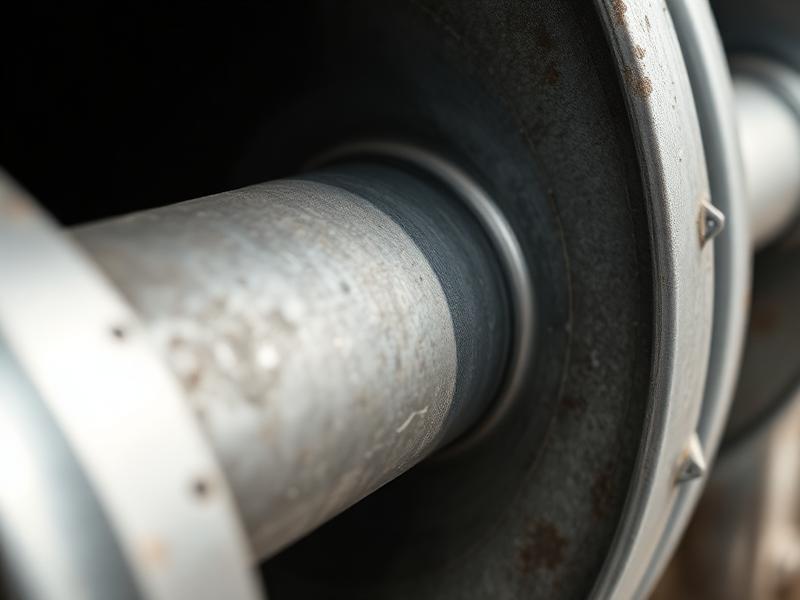
  • Close-up of galvanized steel tubing
    Frames in HSS ASTM A-500 Grade B steel with minimum 58,000 psi tensile strength.
  • Close-up of galvanized steel tubing
    High-strength pre-galvanized steel at minimum 55,000 psi tensile, gauge set by engineering.
  • Close-up of powder coated finish
    TGIC polyester powder coat tested for adhesion, hardness, impact and sea-spray resistance.
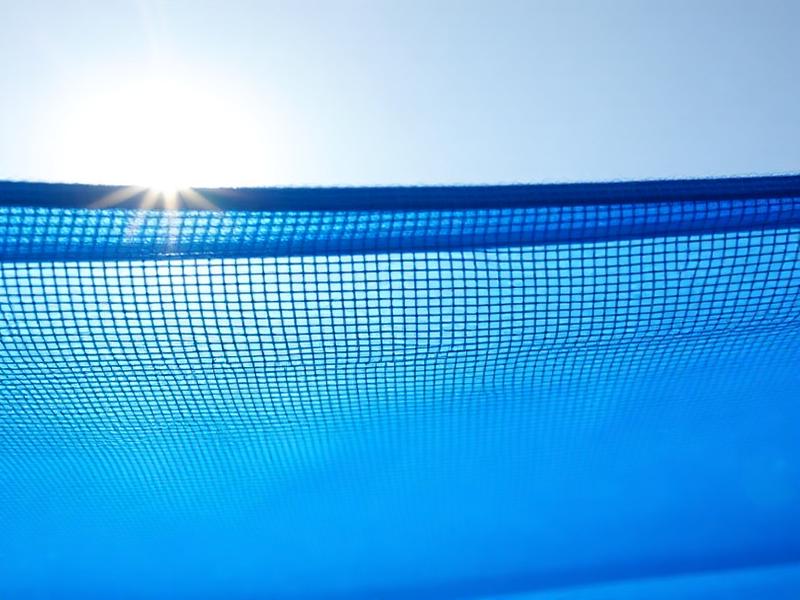
  • Close-up of knitted shade fabric mesh
    Commercial 95 340 lockstitched HDPE knit fabric at 340 gsm in 22 colors.
  • Close-up of knitted shade fabric mesh
    All stitching in PTFE (Teflon-coated) thread — UV and rot resistant.
  • Close-up of galvanized steel tubing
    20-year non-prorated warranty against rust-through on steel frames.

In the field

Recent installations

A look at the work our crews deliver across Maine and New Hampshire.

Hometown Health Center, Palmyra, Maine
Unity Elementary School, Unity, Maine
St. Charles Catholic School, Rochester, New Hampshire
Graustein Park, Fryeburg, Maine
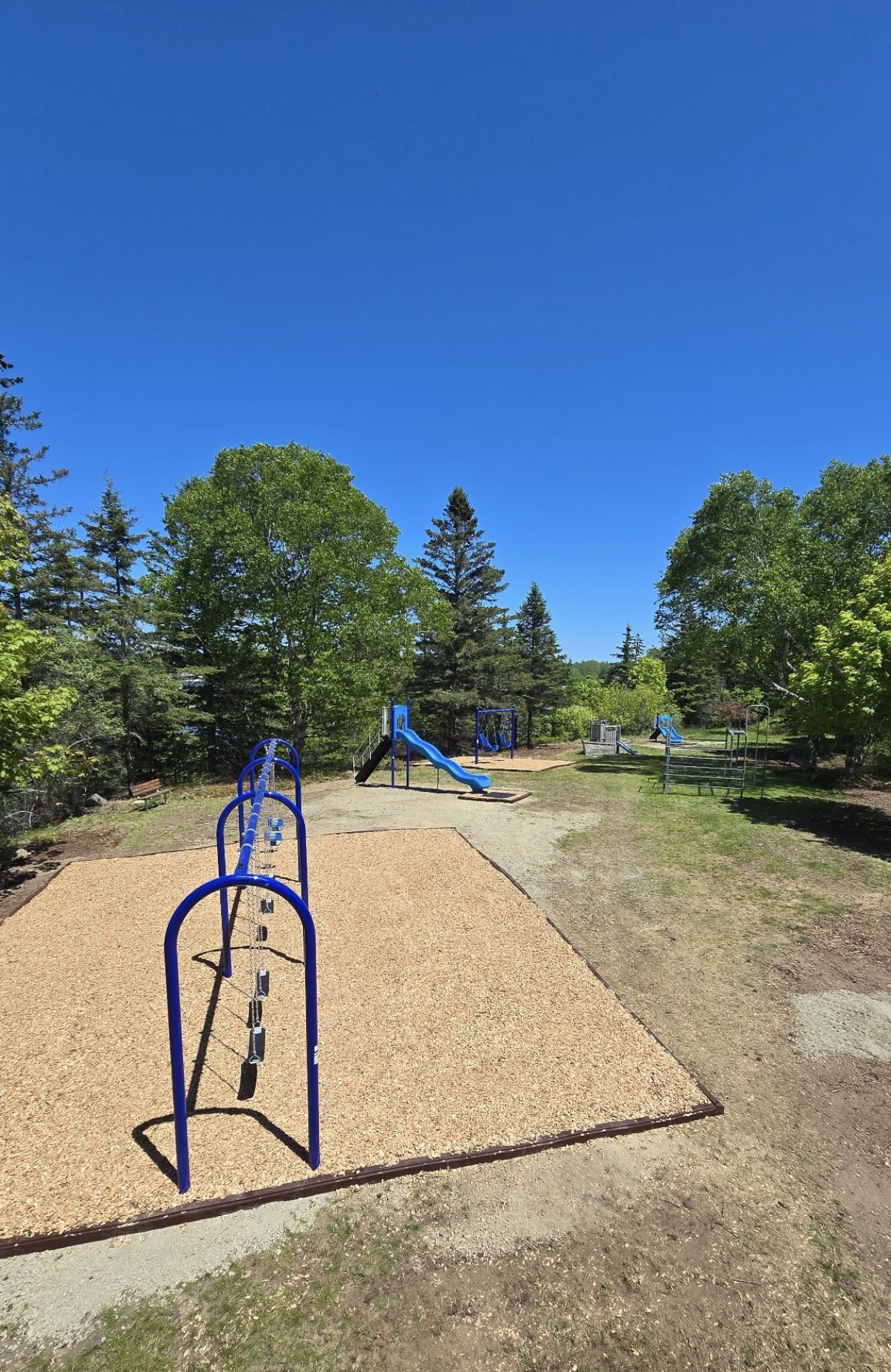
Lakeside Play Area, Maine
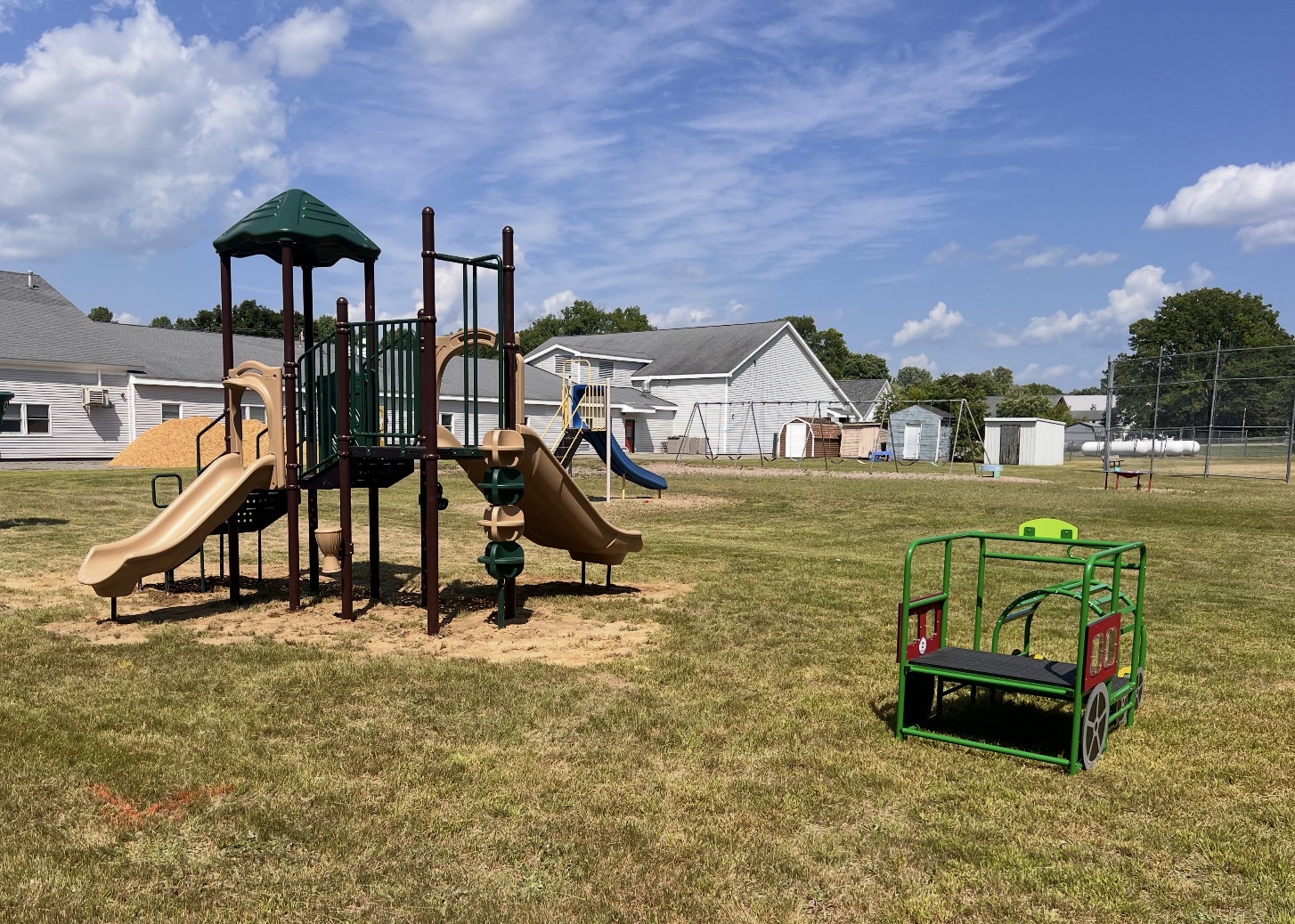
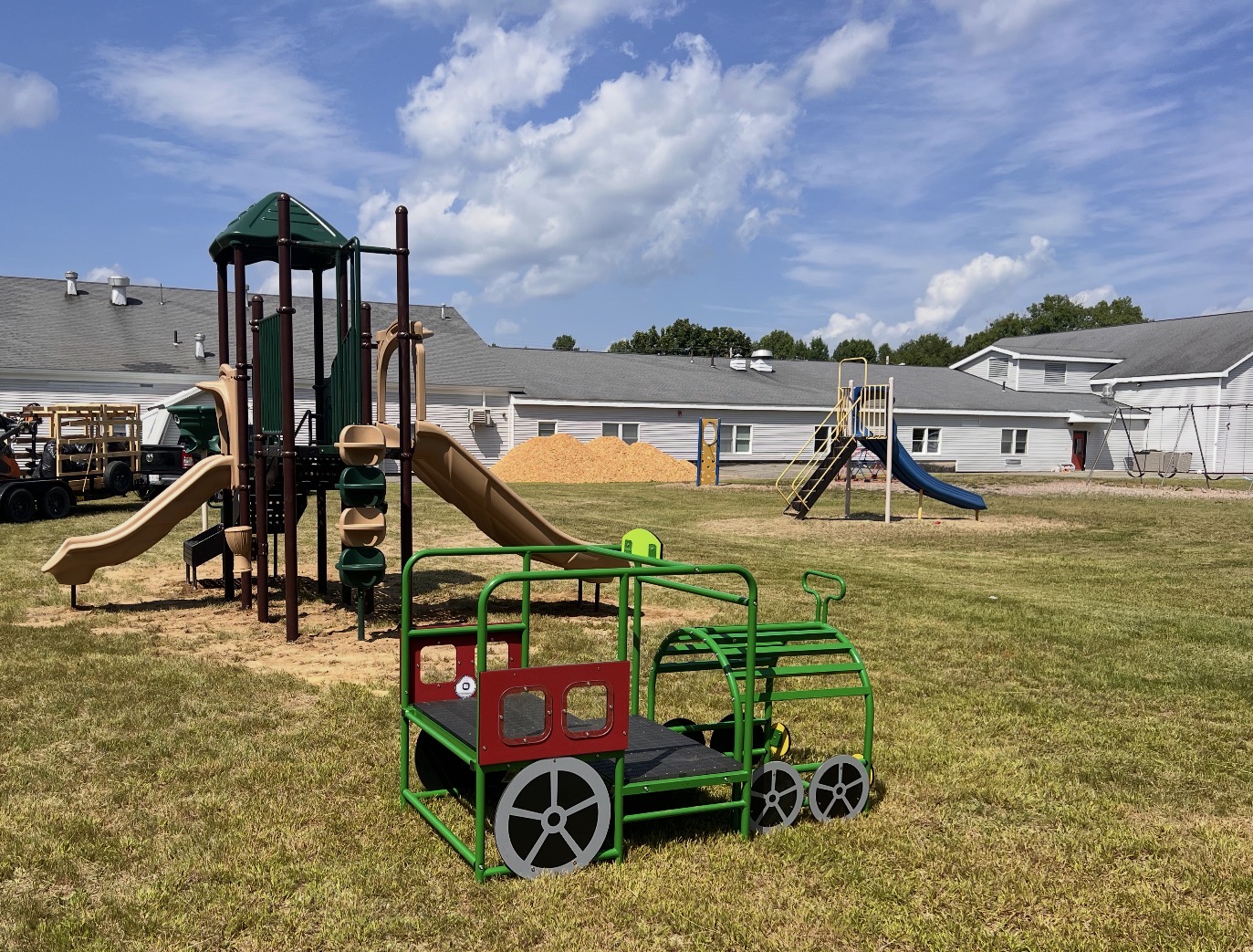
School Field Structure & Train Climber, New England
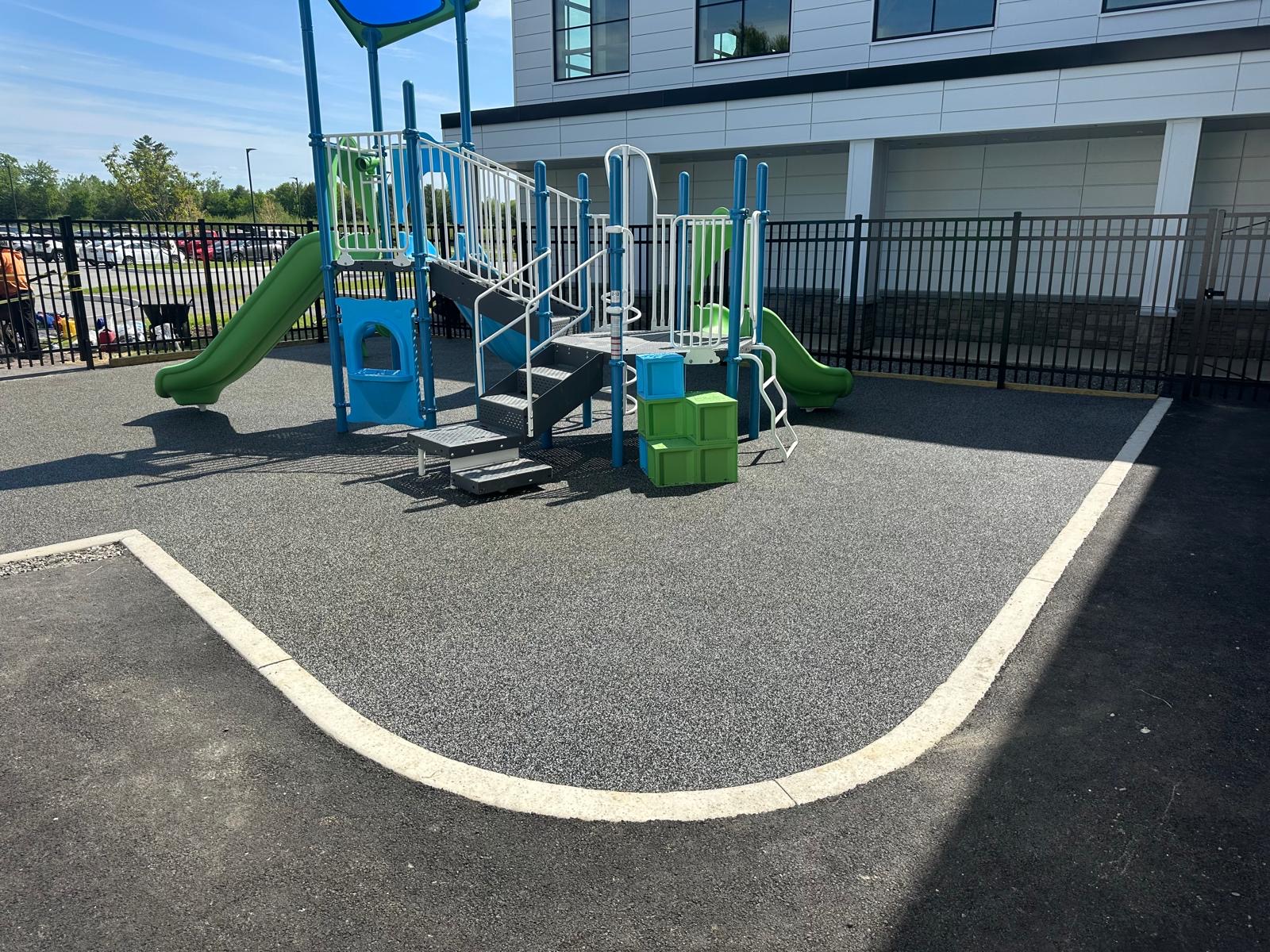
Poured-in-Place Surfacing Project, Maine
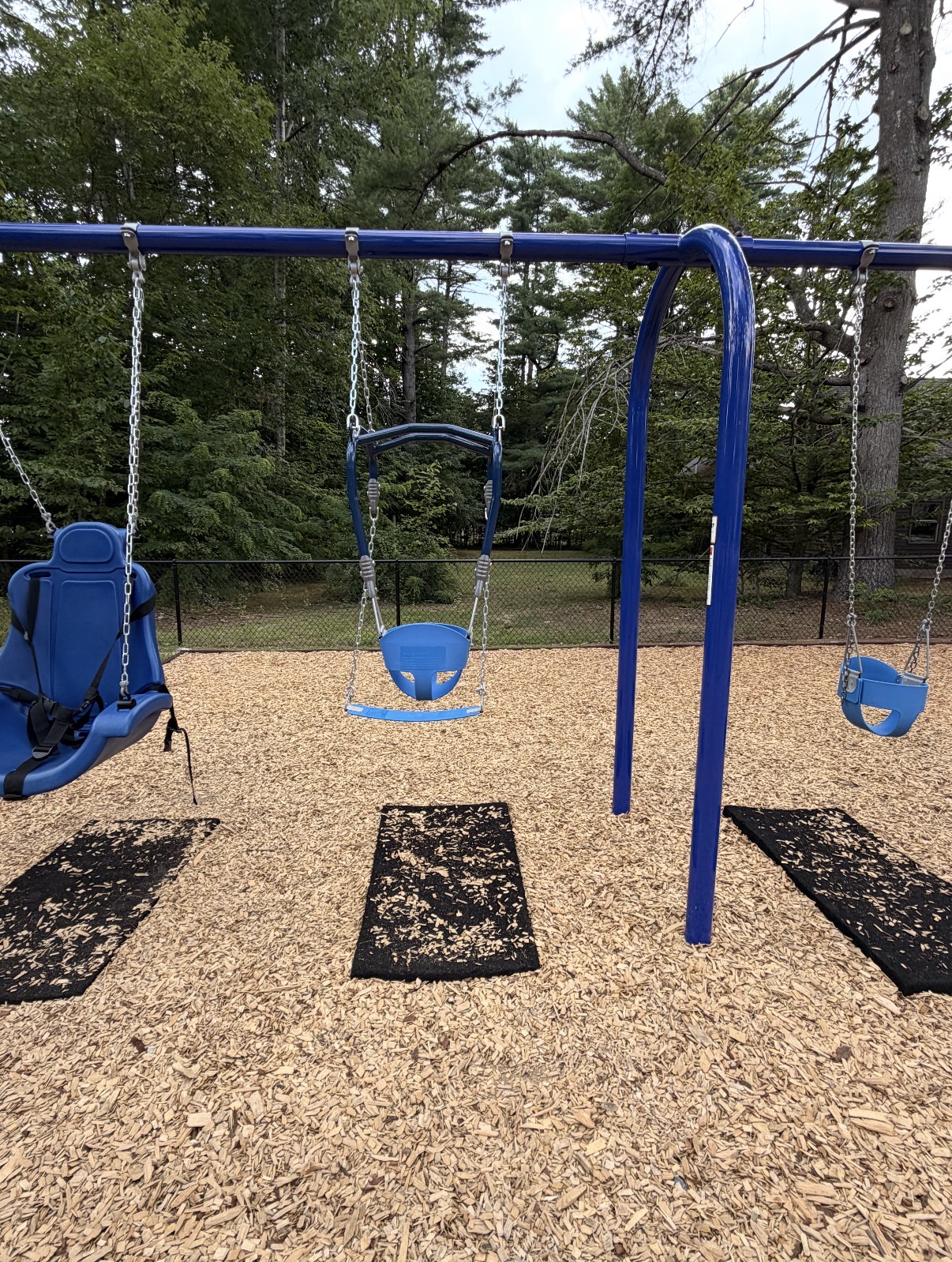
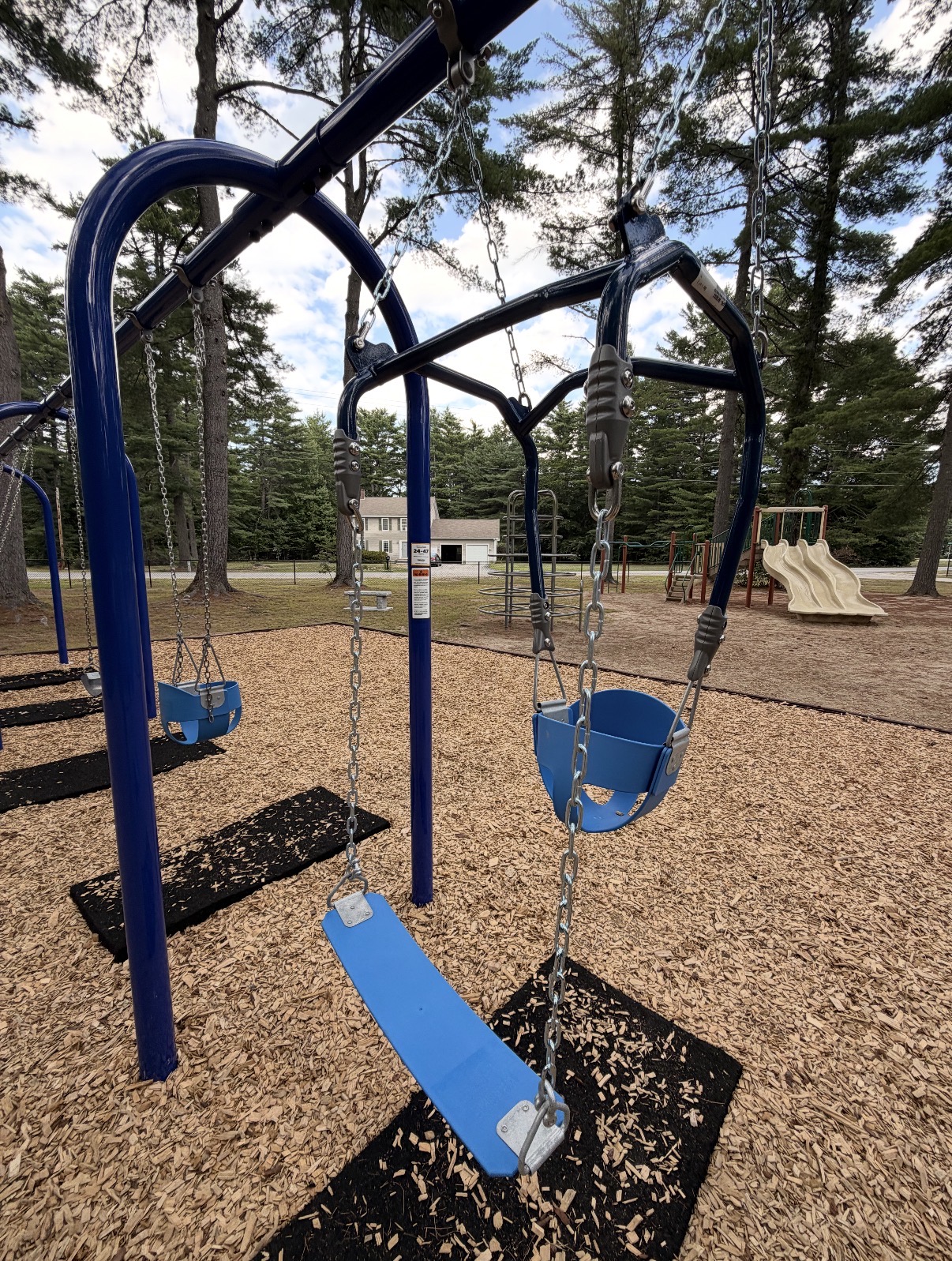
Pine Grove Swing Bay, New England

Ready to start your project?

From a free design consultation to professional installation, our team is with you every step of the way.

Request a Quote
Call Now