(207) 285-5738

Athletic Courts & Sports

Mateflex

Court tile for every surface

Mateflex tile systems cover outdoor courts, gym floors and wet areas with a surface built for grip, drainage and quick installation.

Company profile

Who Mateflex is

Founded
1974
Headquarters
Utica, New York
Tile
12" × 12" × ½" polypropylene copolymer
Static load
16,000 lbs per sq ft

Product lines

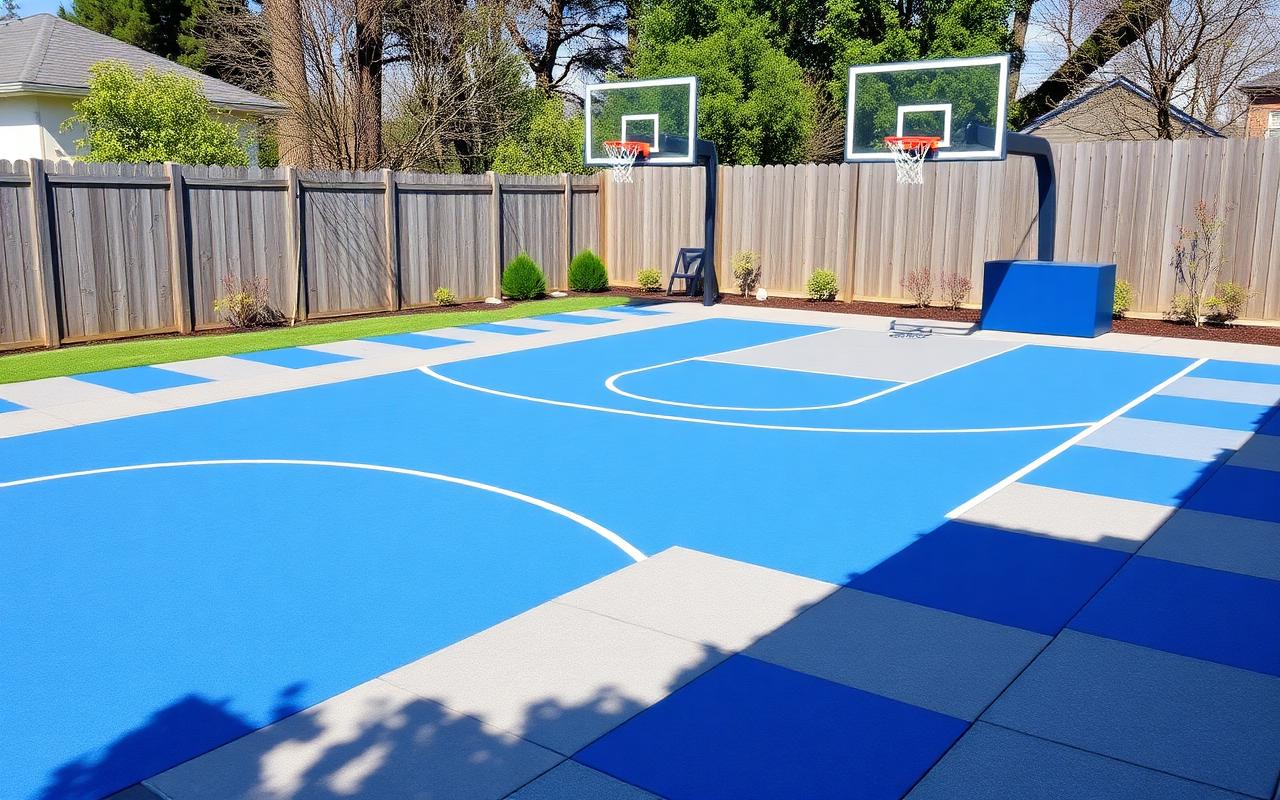
  • Matéflex III outdoor multi-court
  • Home Court
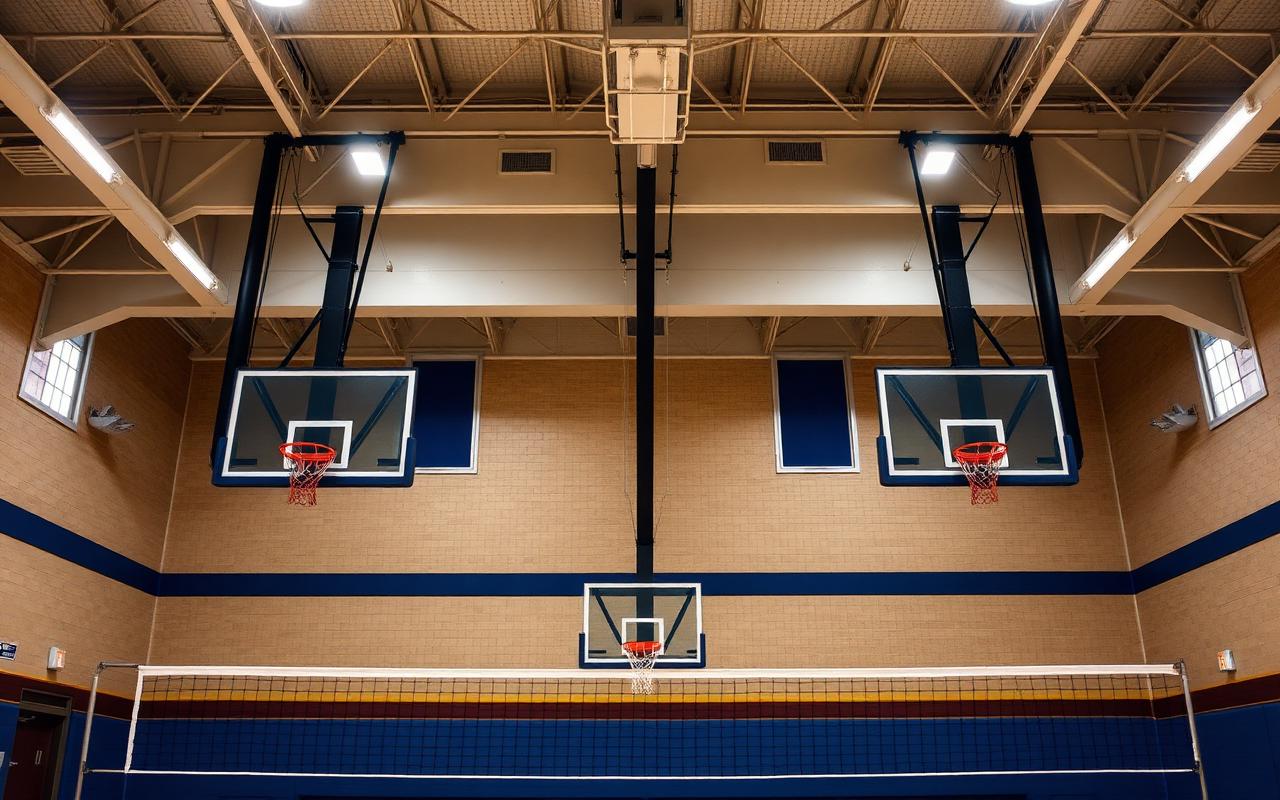
  • Suspended modular gym tile
  • Wet-area perforated tile

What that means for your project

Founded by brothers Edward and Joseph Mele after acquiring US rights to a modular flooring product used at European pro tennis events — America's oldest modular tile manufacturer, and 50 years old in 2024.

Matéflex III specs: 481 gusseted legs per tile, eight locks per side (32 total), 0.73 lbs per sq ft, 21 standard colors, high-impact polypropylene copolymer that is fungus and mildew resistant.

Tile installs directly over sound asphalt or concrete, so a tired court is resurfaced in days without demolition, and individual tiles lift out for cleaning or replacement.

Manufacturer specs and catalog

In detail

What Mateflex builds

Modular Tile Construction

Mateflex manufactures its court tiles from a high-impact polypropylene copolymer proprietary formulation, molded into interlocking 12 inch by 12 inch squares that snap together over a substrate using a suspended leg system rather than adhesive, which the company's architectural specification documents describe under the section header "suspended modular tile sports floor system."

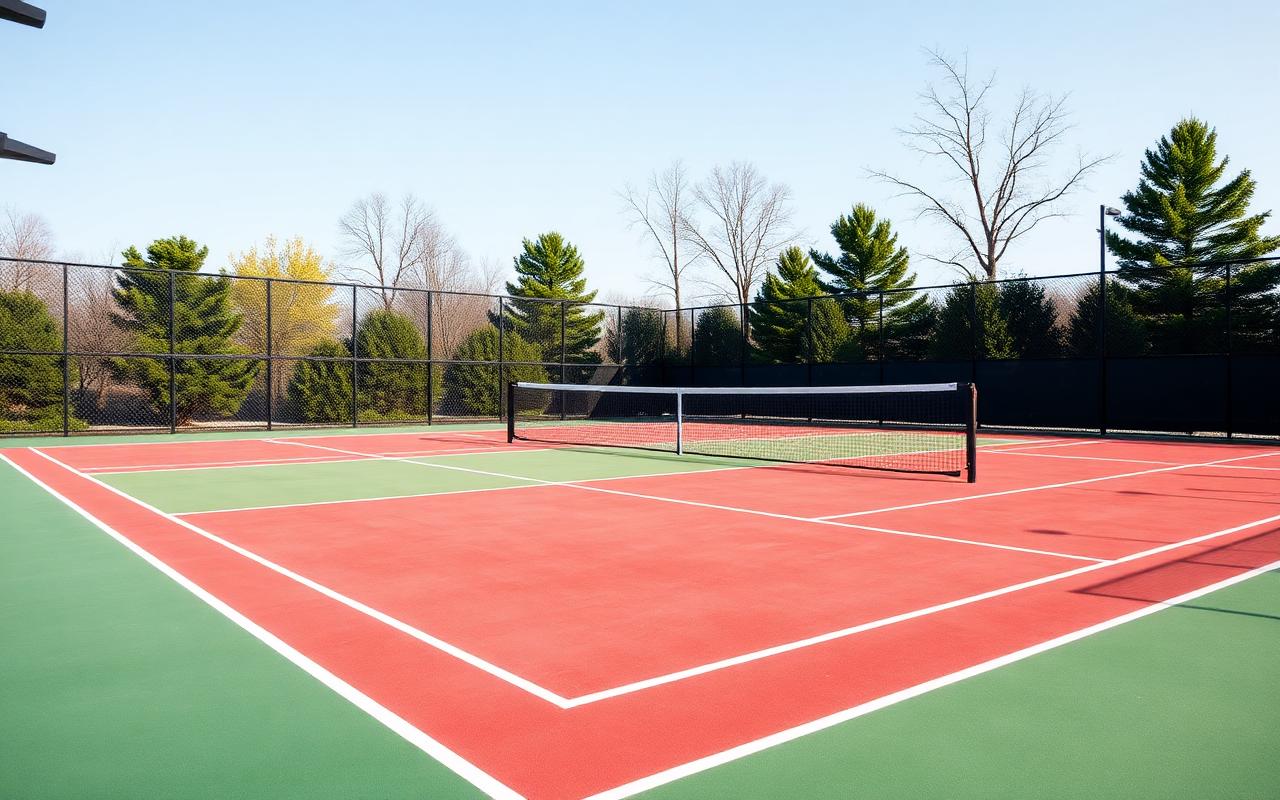
Different product lines are built for different sports and loads: HomeCourt, aimed at outdoor basketball and multi-court use, runs 12 inches by 12 inches by 1/2 inch thick with narrow-gauge surface ribs and roughly 400 heavy-duty cylindrical support legs per tile, while other lines like TopCourt and Mateflex II are tuned for different surface textures and sports, including tennis and pickleball resurfacing.

The interlocking, non-bonded design means damaged sections can be replaced tile by tile without demolishing the surrounding court, a practical advantage for municipal and school facilities managers working with constrained maintenance budgets rather than full-replacement capital funding.

Let's talk
Mateflex — Modular Tile Construction

Traction and Comfort Underfoot

Mateflex's playing surfaces use raised rib or textured patterns molded into the tile face, engineered specifically for each product's target sport, with HomeCourt's narrow-gauge ribs designed to deliver traction in wet or dry conditions for outdoor basketball, while other lines use different tread geometry for tennis, pickleball, or general multi-use play.

The suspended leg structure beneath the tile creates a cushioned, semi-resilient playing surface with more give than bare concrete or asphalt, which the manufacturer's product literature markets as reducing joint stress and fatigue during extended play compared to hard, unforgiving surfaces.

For coaches, PE staff, and recreation departments running programs on outdoor courts through variable New England weather, that combination of wet-condition traction and a more forgiving underfoot feel translates into fewer weather-related closures and a lower injury profile than an equivalent asphalt court left bare.

Let's talk
Mateflex — Traction and Comfort Underfoot

Drainage and Freeze-Thaw Performance

Mateflex's suspended tile system is designed to let water pass through open gaps in the leg structure to the substrate below rather than sit on the playing surface, and its outdoor lines are specifically marketed for fast drying time after rainfall, a spec the company highlights directly in its Mateflex II and HomeCourt product materials.

The architectural specification documents call for installation over a substrate prepared to a medium, dense grade with proper slope for drainage, meaning the tile system manages surface-level water but still depends on correctly graded concrete or asphalt beneath it to avoid trapped moisture.

This is the detail that determines cold-climate longevity: a well-drained substrate under a floating, gapped tile system avoids the standing water that freezes, expands, and heaves pavement, which is why Mateflex's outdoor lines are viable for Maine and New Hampshire courts provided the base is built and sloped to the manufacturer's specification rather than left as a flat, undrained slab.

Let's talk
Mateflex — Drainage and Freeze-Thaw Performance

Color and Custom Graphics

Mateflex tiles are produced in a range of standard colors that are molded into the polypropylene material itself, and the company supports multi-color court layouts for game lines and boundary marking as well as custom color combinations for schools, municipalities, and private facilities that want specific branding or multi-sport line differentiation.

Because color is integral to the tile material rather than a surface coating, it holds up to UV exposure and foot traffic differently than painted line striping, which is the main selling point the manufacturer emphasizes over paint-on-asphalt court marking.

For municipal buyers writing multi-year facility budgets, that means game lines built into a Mateflex court do not carry the recurring repainting cost line item that an asphalt court with painted striping requires, a detail worth factoring into total cost of ownership comparisons rather than upfront installed cost alone.

Let's talk
Mateflex — Color and Custom Graphics

Installation and 15-Year Warranty

Mateflex's tiles are designed for rapid installation, interlocking by hand across a prepared substrate without adhesives or heavy equipment, following the layout and preparation steps documented in the company's architectural specification sheets for suspended modular tile sports floor systems.

The company backs its tile products with a published fifteen-year limited warranty against defects in material or manufacturing, structured on a sliding replacement-cost schedule tied to how many years have elapsed since original purchase, as detailed in Mateflex's warranty documentation.

For New England schools and municipalities, the combination of a fast, low-disruption installation timeline (important for fitting work into a short summer window) and a long, published warranty term supports budget planning across bond cycles, since facilities managers can point to a documented service life rather than an estimate when justifying the capital expense.

Let's talk
Mateflex — Installation and 15-Year Warranty

Built to last

Premium materials

The specific alloys, coatings and components Mateflex uses — the details that decide how equipment holds up to New England winters.

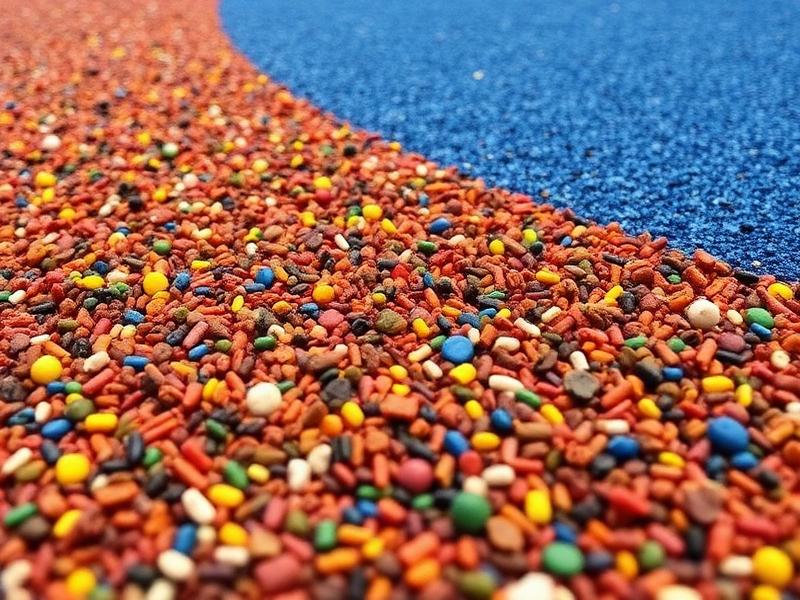
  • Close-up of poured rubber safety surfacing
    High-impact polypropylene copolymer tiles in a proprietary formulation.
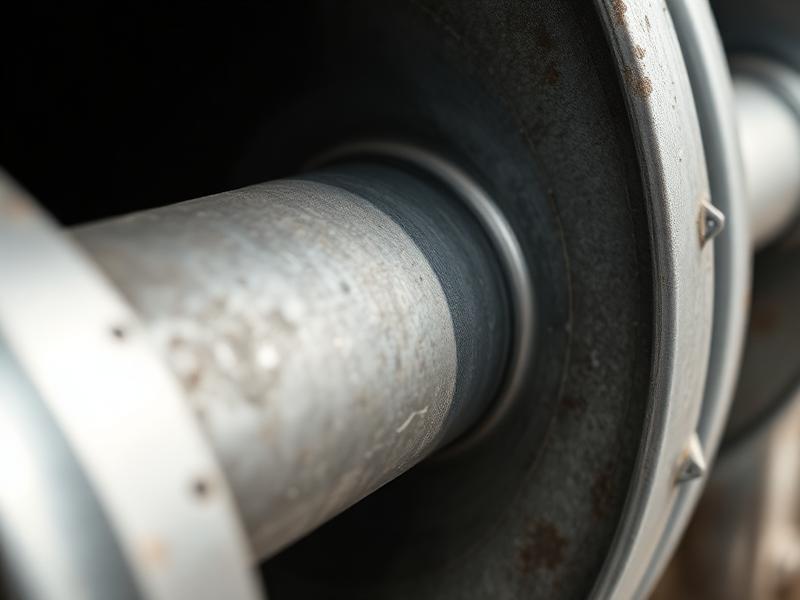
  • Close-up of galvanized steel tubing
    Mateflex III: 12" x 12" x 1/2", 0.73 lbs per sq ft, high-density rib surface.
  • Close-up of poured rubber safety surfacing
    481 gusseted support legs per tile with 8 positive locks per side (32 total).
  • Close-up of galvanized steel tubing
    Static load rating of 16,000 lbs per sq ft; fungus and mildew resistant.
  • Close-up of poured rubber safety surfacing
    TileFlex line offers solid-top interlocking vinyl tiles for indoor rooms.
  • Close-up of galvanized steel tubing
    21 standard colors across the product lines for court striping and logos.

In the field

Recent installations

A look at the work our crews deliver across Maine and New Hampshire.

Hometown Health Center, Palmyra, Maine
Unity Elementary School, Unity, Maine
St. Charles Catholic School, Rochester, New Hampshire
Graustein Park, Fryeburg, Maine
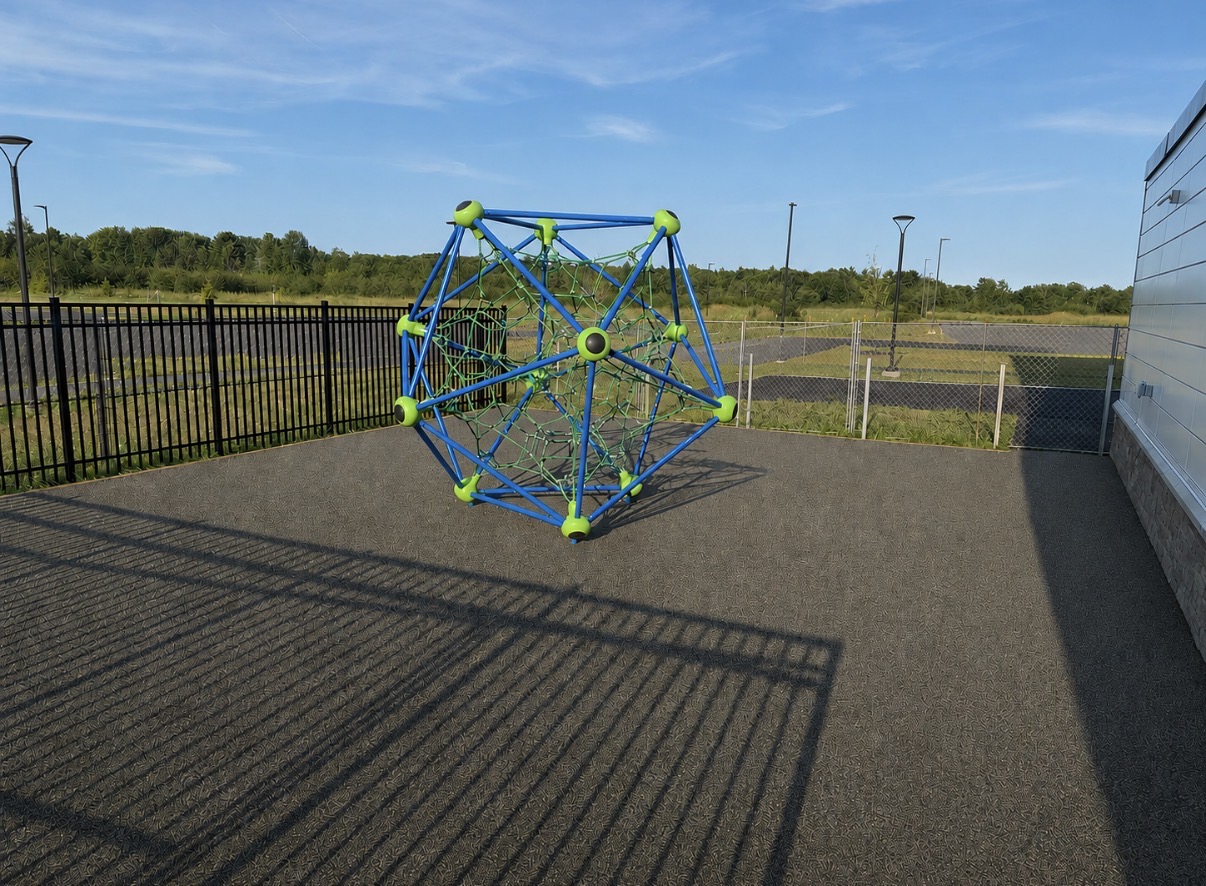
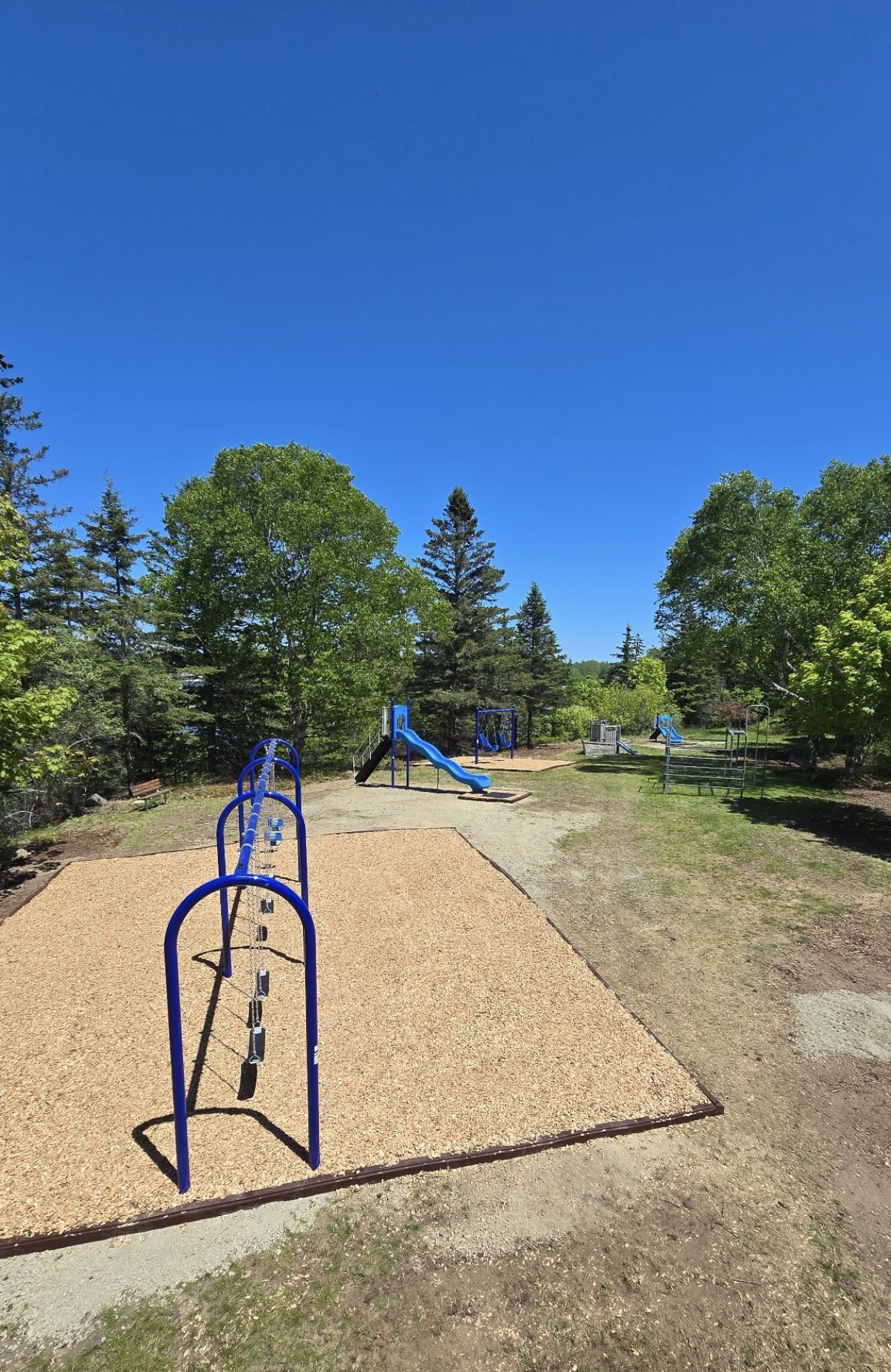
Lakeside Play Area, Maine
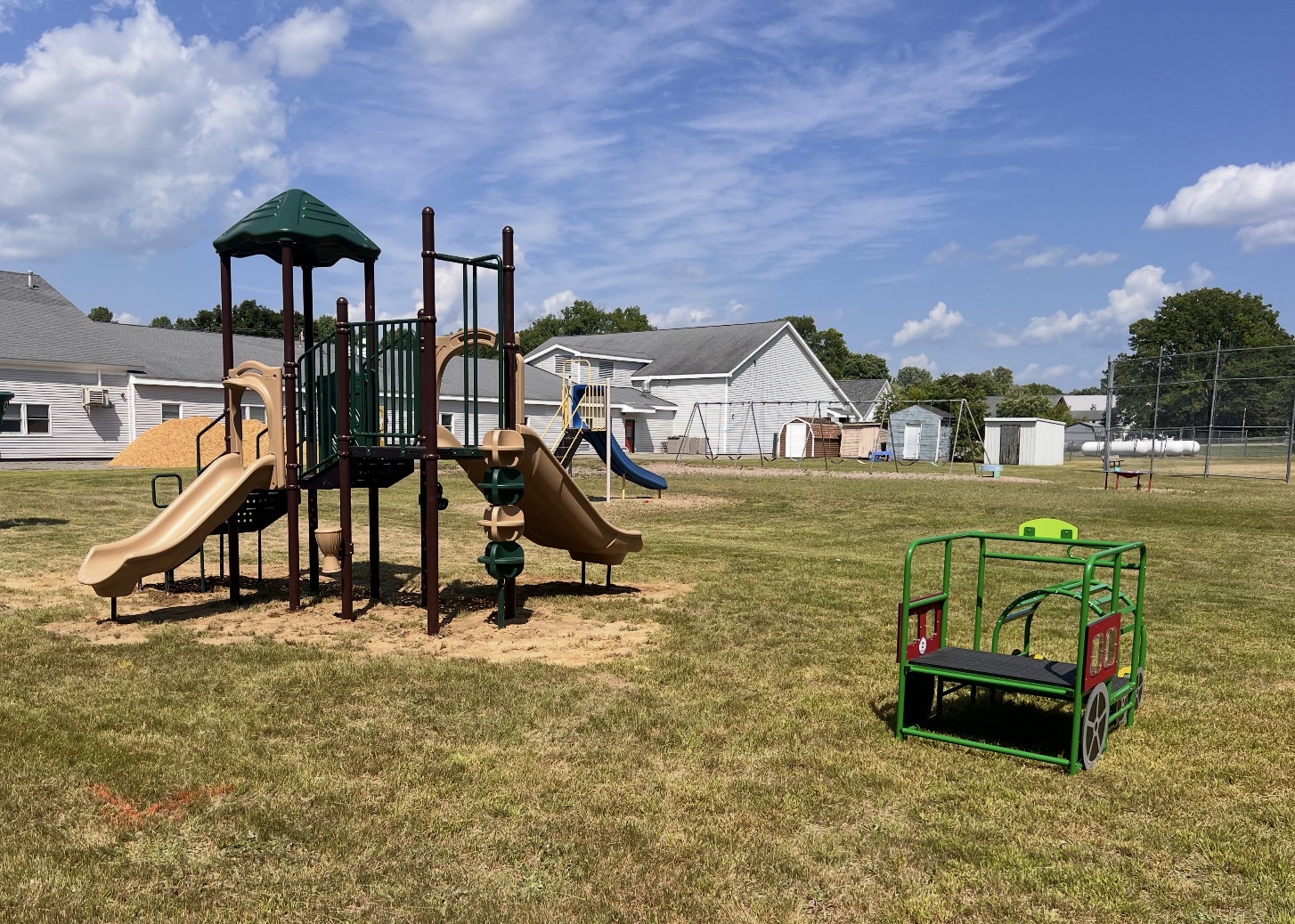
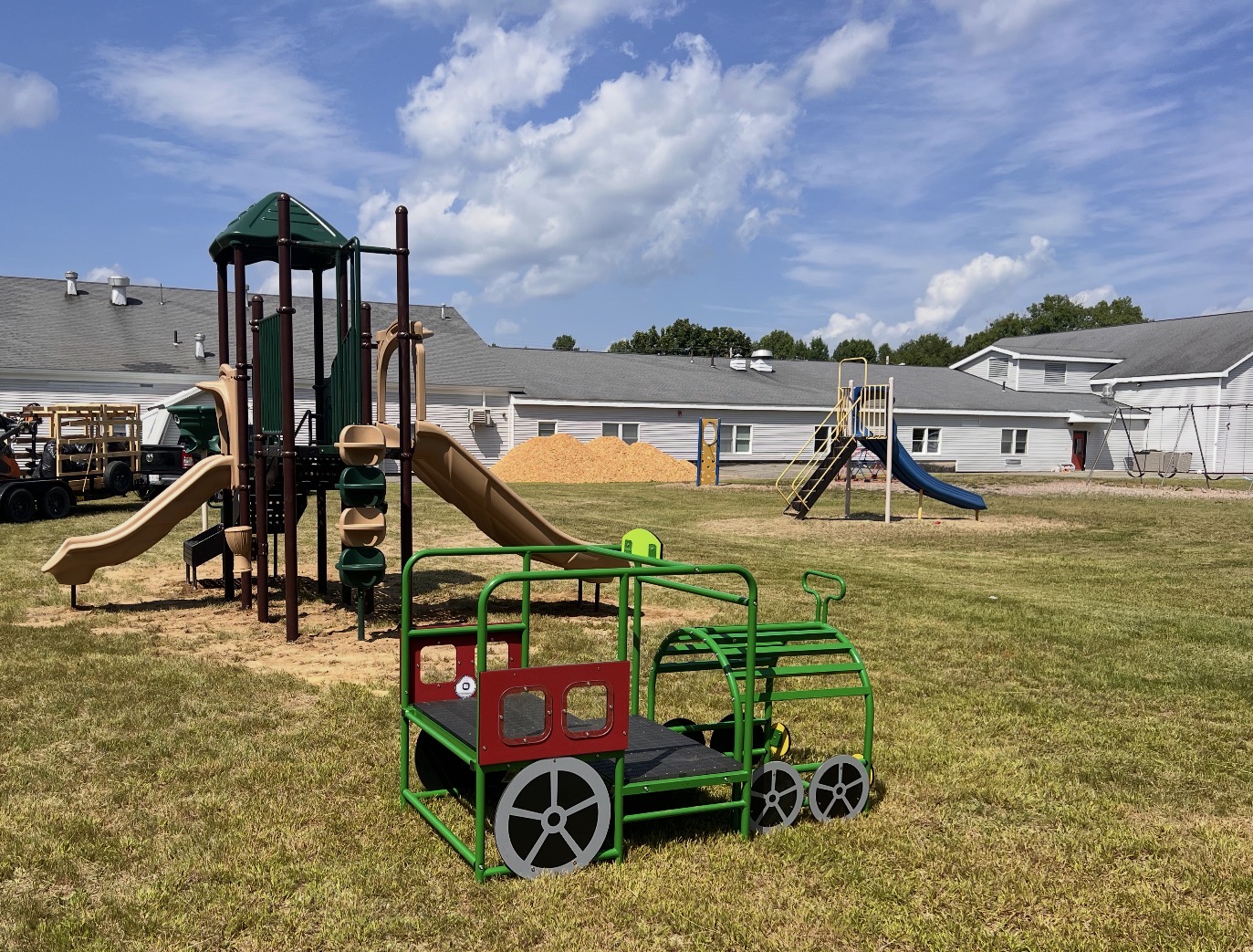
School Field Structure & Train Climber, New England
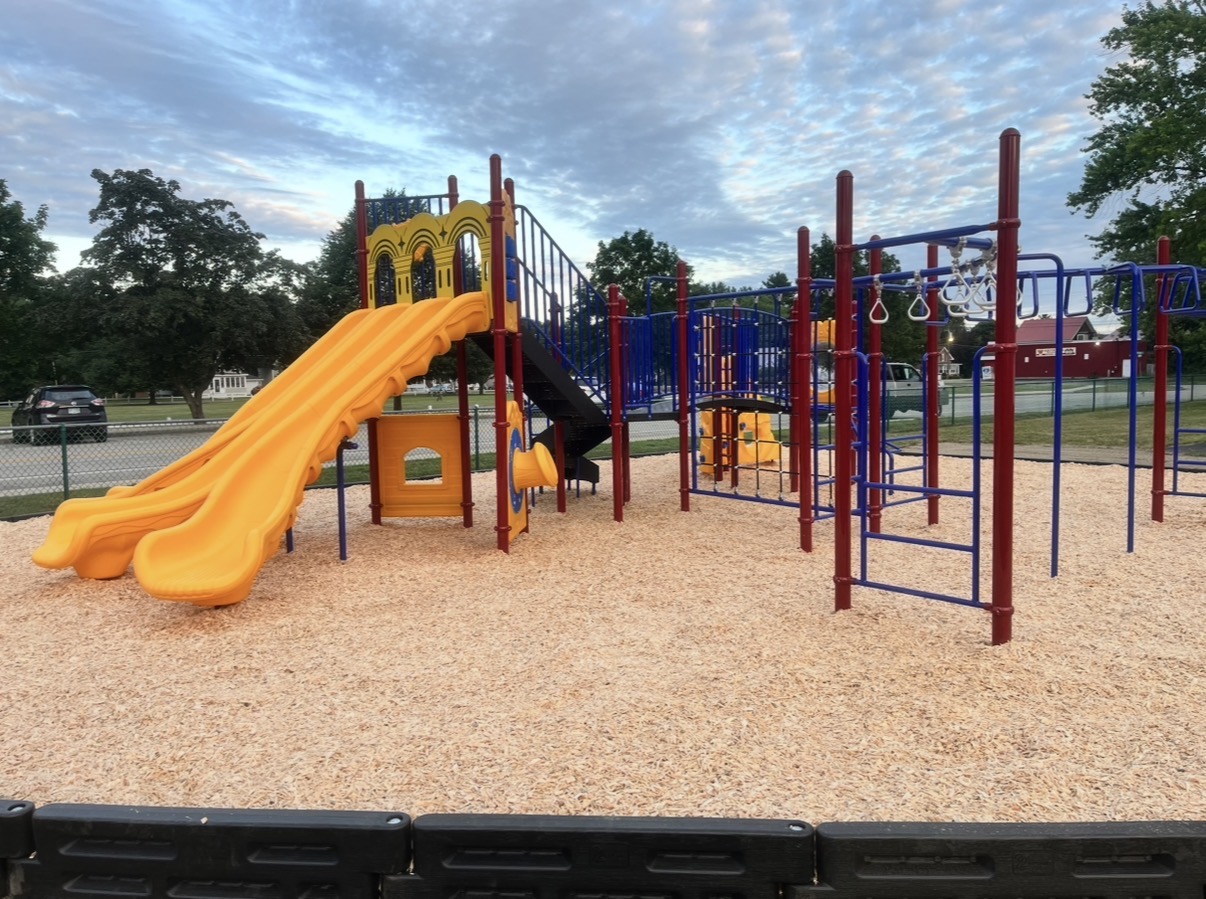
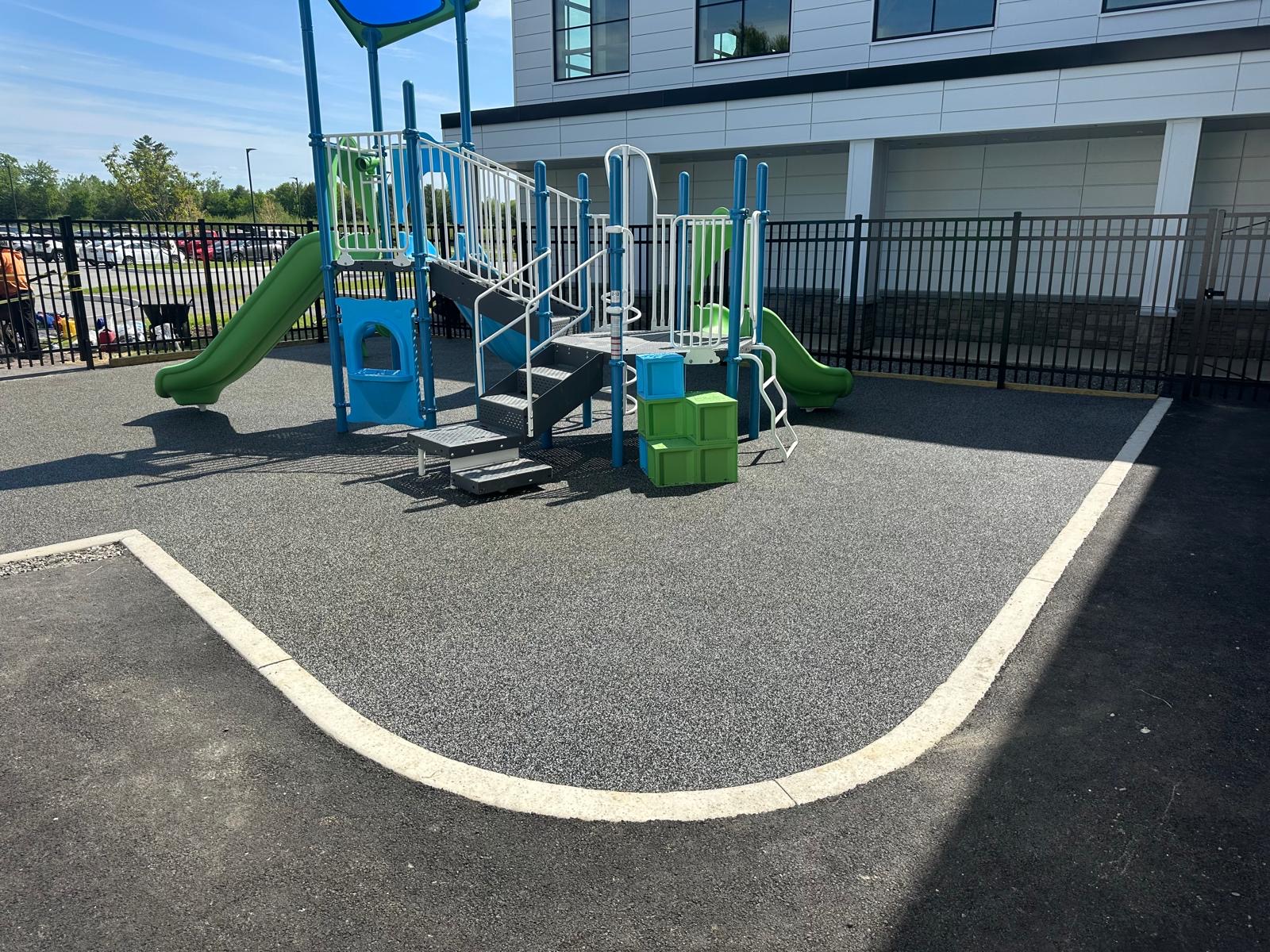
Poured-in-Place Surfacing Project, Maine
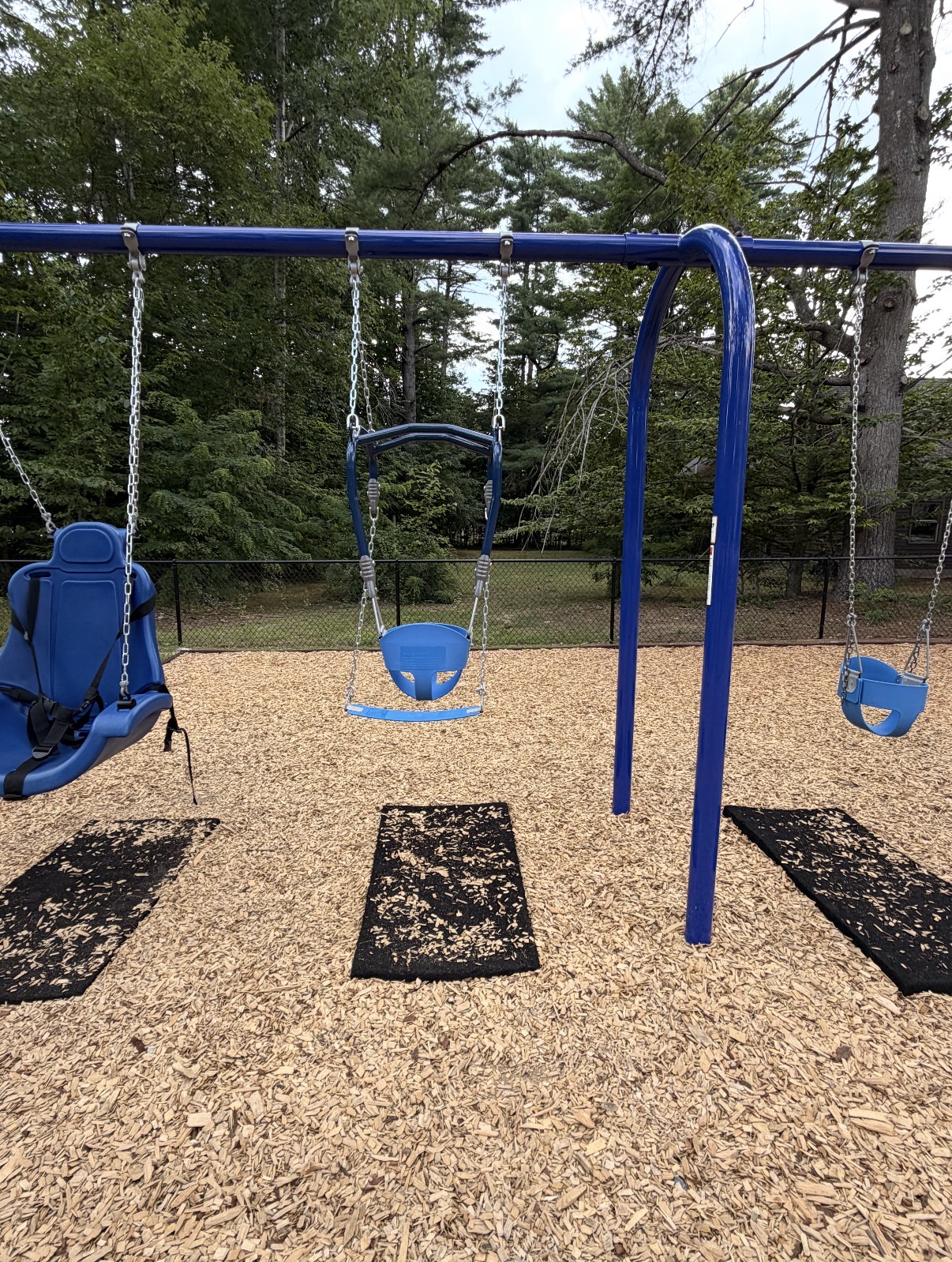
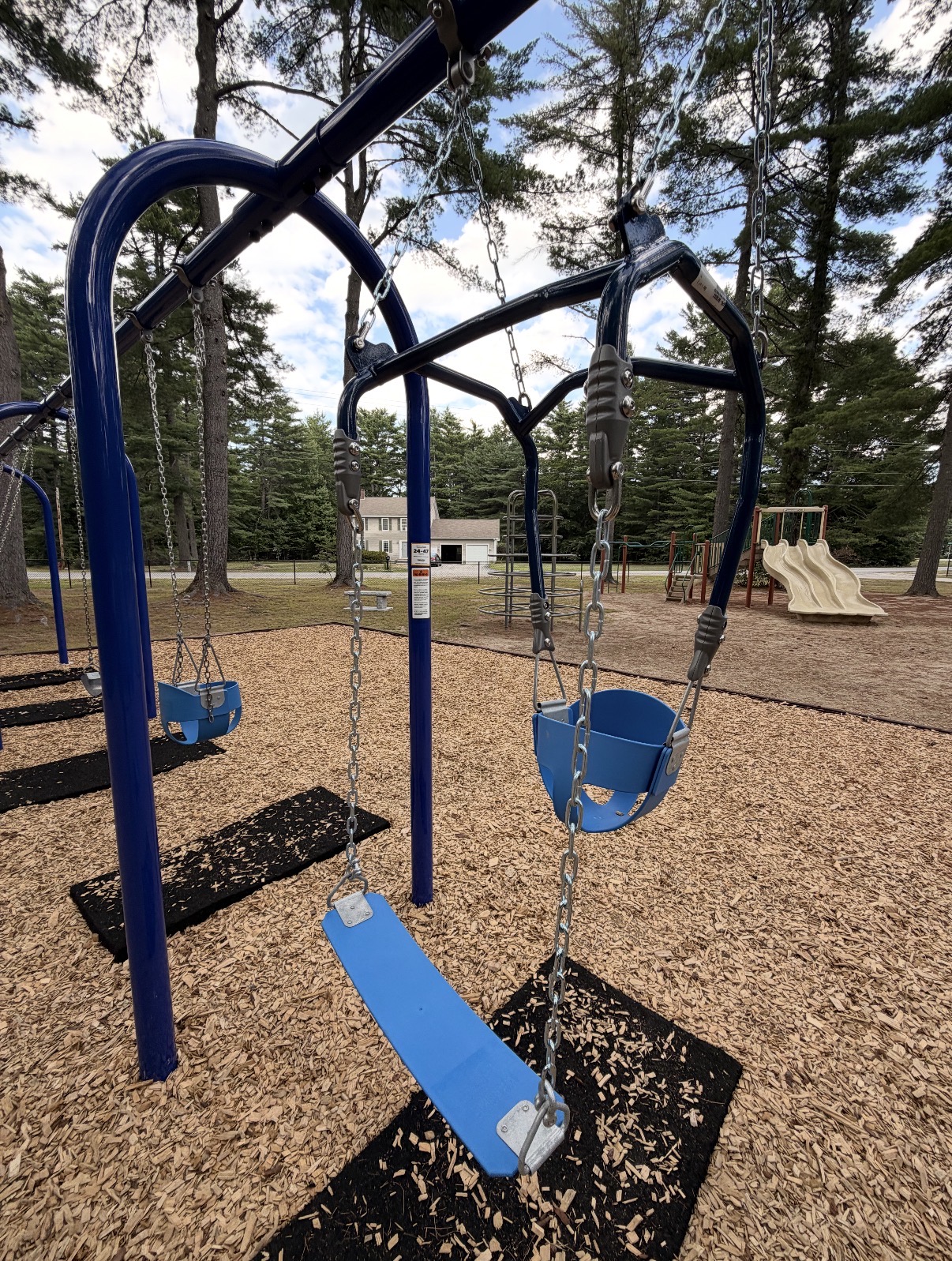
Pine Grove Swing Bay, New England

Ready to start your project?

From a free design consultation to professional installation, our team is with you every step of the way.

Request a Quote
Call Now